


We Can Help You Get Ready for Fall Sports
Before you know it, cooler weather will arrive, and so will fall sports! Do you feel prepared? Or have you been struggling with an old injury that just doesn’t seem to be going away? Maybe you’re wondering how to get ready for the start of the season.
Everyone involved in athletics knows that one thing is for sure: competition comes with a risk Expert Physio Plus, our physiotherapists can help athletes recover from injuries and get them ready to dive back into their favorite sport.
Whether you compete in cross-country running, soccer, or football, we can provide you with the tools you need to be at your peak physical condition for the start of the season. Request an appointment to get started.
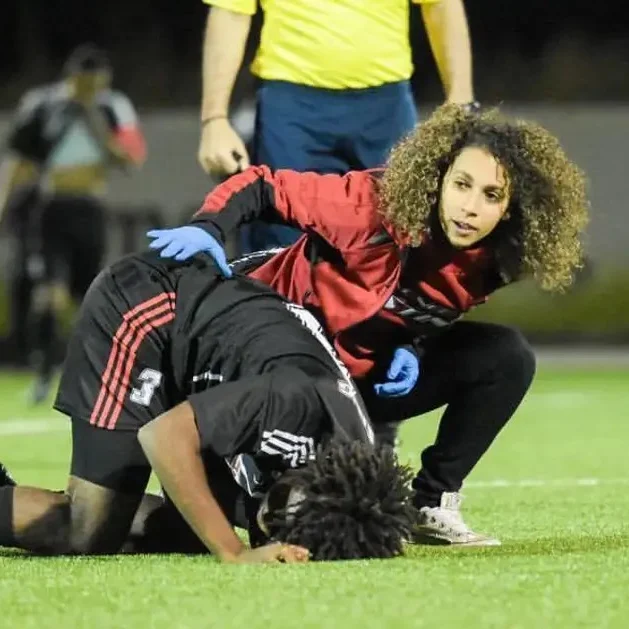
Our Patients Get Great Results
“I am a professional soccer player for almost 9 years now and I must say I’m really impressed with how much care, love, and dedication they put in their work. I’ll forever be grateful for the treatment and for everything. I’ll recommend them cause they know exactly what they’re doing.” – M.N.
“Expert Physio Plus is an amazing Physio Clinic. From my experience they make sure you are well taken care of. I had a major injury and within a short period of time I am able to do active sports again! Mina is the best Physio in the CITY.” – O.P.
How Physiotherapists Help Athletes Prepare for Fall Sports
Playing the sport you love, whether competitively or just for fun, is an important part of staying healthy and enjoying life. Keeping your body strong, stable, and prepped for the game is vital for maintaining high performance in that sport.
Conditioning is a significant part of staying safe and healthy when you play sports. Conditioning programs can lower your risk of sustaining an injury during the game and improve your performance.
Our programs focus on keeping your joints healthy and strong. We implement sports-specific strengthening and training methods to ensure your body can tolerate the demands of your sport while improving your ability to compete at a high level.
At your first appointment, we’ll assess your strength, mobility, balance, biomechanics, and more to pinpoint any issues that might contribute to an injury or impaired performance. We’ll then use this information to create a personalized conditioning program with targeted exercises based on your specific needs and goals. We’ll also incorporate sports-specific training to prepare your body for the demands of a competitive sports season. We strive to help our athletes be prepared for any ups or downs the fall season can bring.
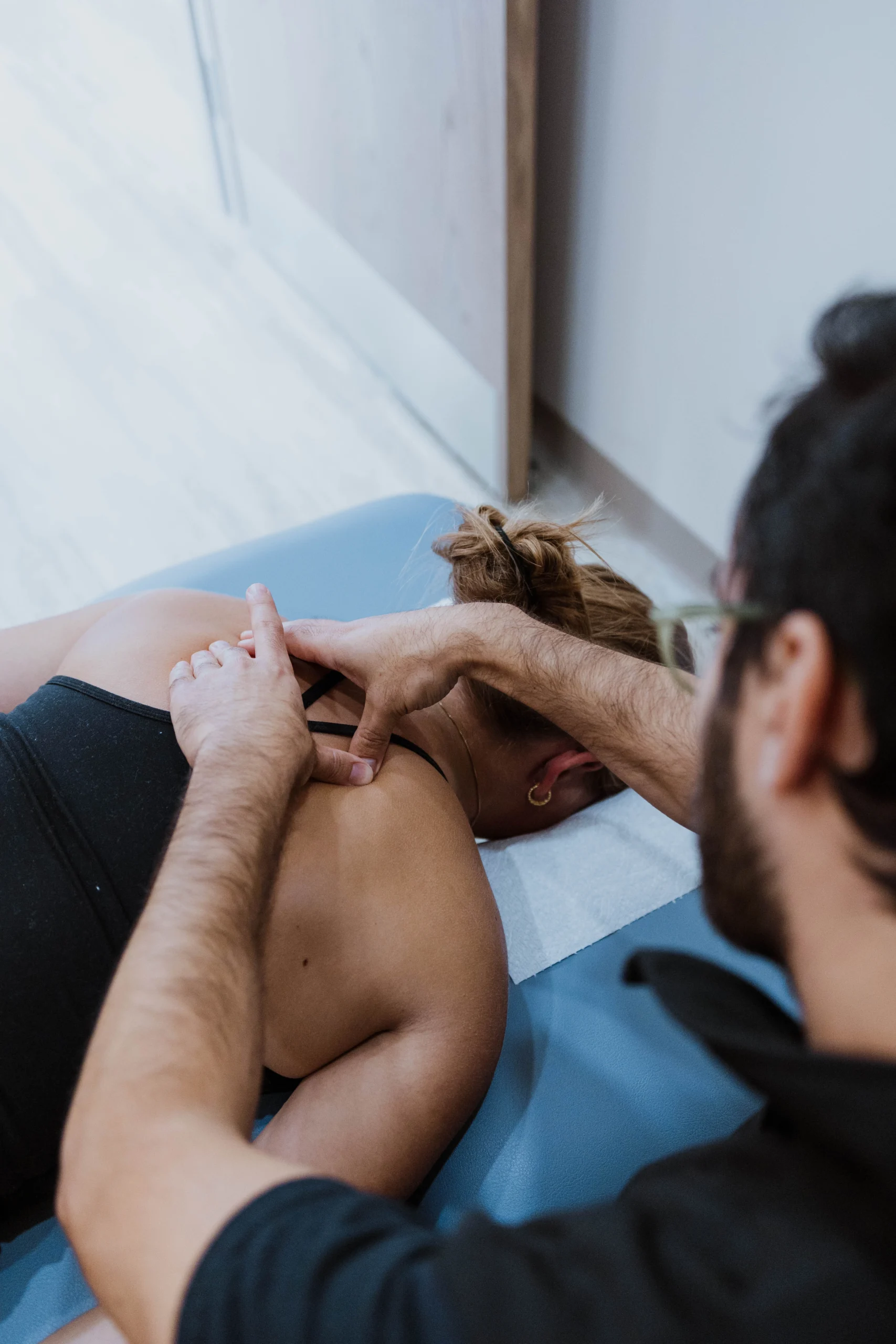
Request an Appointment With Us Today
At Expert Physio Plus, we make it our top priority to encourage healing and injury prevention for our athletes. In addition to treating injuries, our physiotherapists can help you improve your range of motion, mobility, strength, and overall function to prevent additional harm from occurring and get you ready for your sport. Are you an athlete prepping for fall sports? Call us today to learn more about how physiotherapy can help get you geared up to have your best season yet!
More About Sports Injury Prevention & Treatment
Injuries are a part of any sports season and are typically placed into two categories: traumatic or overuse.
Traumatic injuries are caused by a specific incident. Examples include:
- Ankle sprains
- ACL tear
- Concussions
Overuse injuries are caused by repetitive movements or poor technique performed over time. Some examples of overuse injuries include:
- Tendinitis (for example, shin splints or jumper’s knee)
- Repetitive stress with poor technique (for example, stress fractures or throwing injuries)
Sprains
- Ligaments connect the bones in a joint. Sprains occur when a ligament is stretched beyond its limits. Once the ligament is stretched, it is looser and more susceptible to being sprained again in the future.
Strains
- Strains are similar to sprains but affect the muscles and tendons, which connect your muscles to your bones. Once a tendon or muscle is injured, it must be resolved fully, or it can lead to a chronic overuse condition.
Undergoing physiotherapy before you begin playing this fall could make all the difference in how ready your body is to be out on the field or court. However, if you do suffer an injury, we’re here to help you rehabilitate. We’ll start with targeted mobility and strengthening exercises to address pain and improve movement and function.
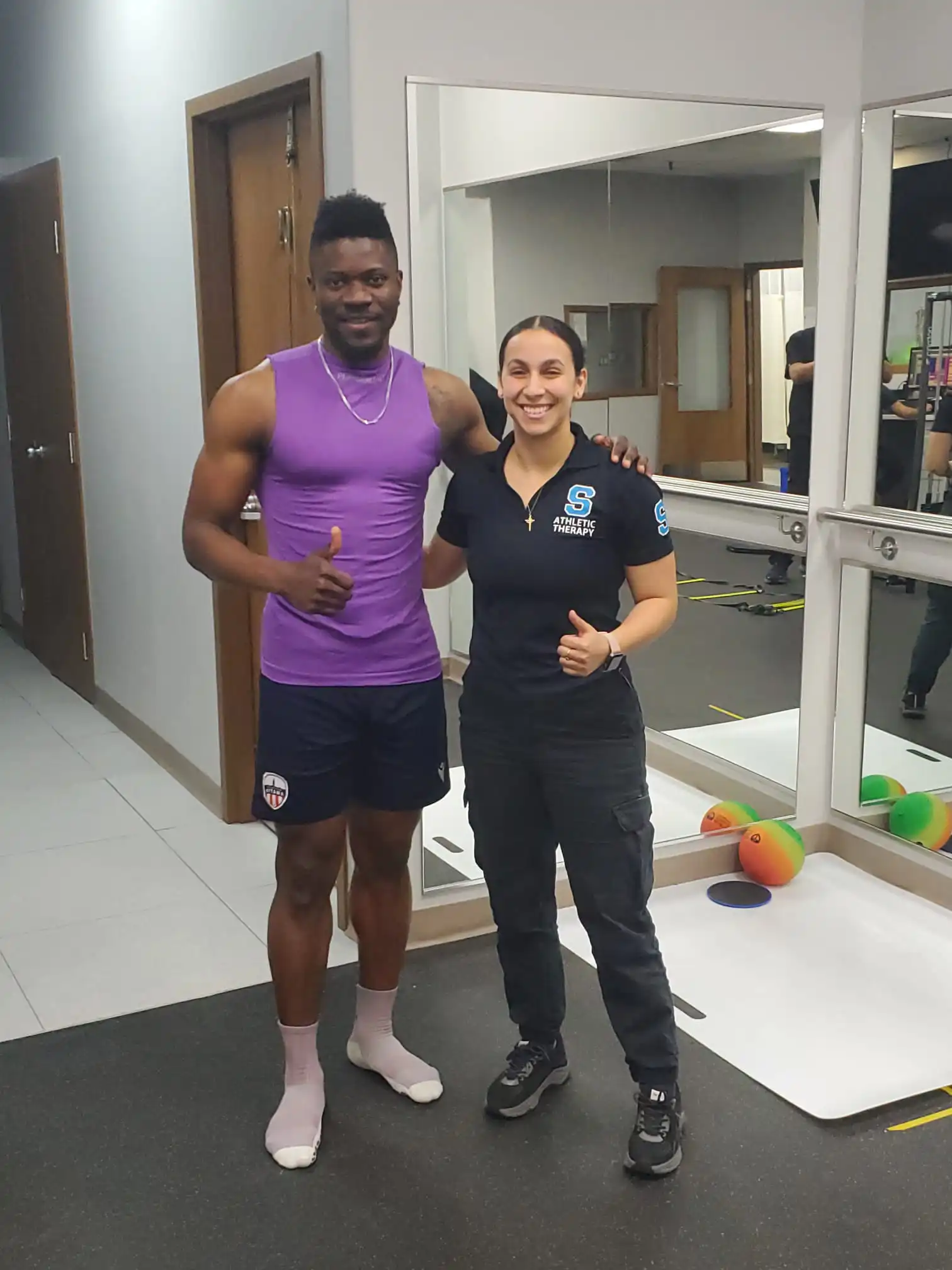
The Importance of Completing Your Physiotherapy Program In Full
Have you just started a new physiotherapy program? Whether you’re rehabilitating after an injury or working to address pain and immobility, it’s essential that you see your program through to the end!
Many people mistakenly believe that once they stop experiencing pain, they’re fully recovered–and those last few weeks of physiotherapy aren’t really necessary. In reality, a lack of pain is one milestone in your rehabilitation. You might not have debilitating symptoms anymore, but you still need to work to restore strength and function to ensure the best possible outcomes.
At Expert Physio Plus, we don’t want to simply address symptoms. We want to resolve the underlying cause of your discomfort. Our programs progress in stages, addressing pain management, mobility, strength, and functionality–in that order. The final stages of your rehabilitation are about helping you build the strength and mobility necessary to live a full, healthy life, even when you aren’t injured.
So, when you work with our team of physiotherapists, make sure you complete the entire program. Doing so will reduce your injury risk and set you up for improved health and wellness in the long term. Curious to learn more? Schedule an appointment with us today.
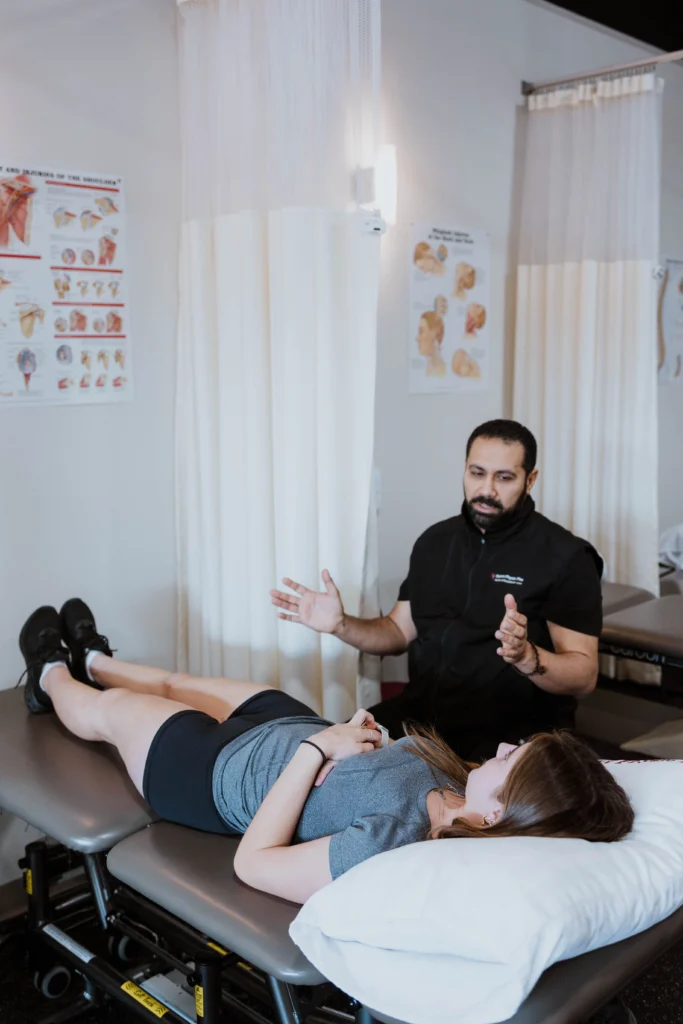
Is Your Child Being Damaged By Their Heavy Backpack?
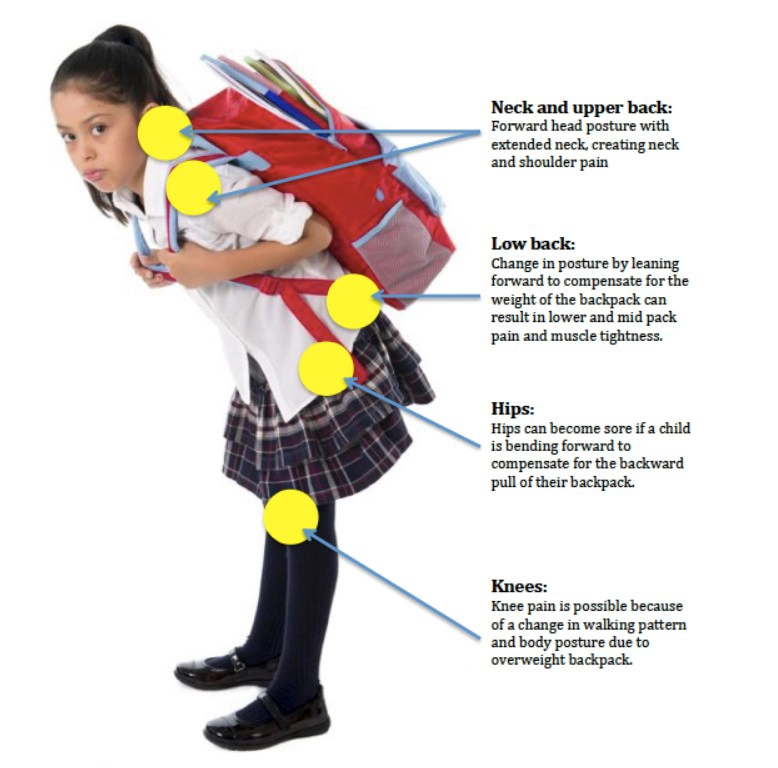
Summer is finally coming to a close, and the school season is here! This can be both an overwhelming and exciting time, but in the midst of all the moving parts, it’s important to think about a tool most students use everyday– backpacks.
Backpacks distribute weight among the body’s strongest muscles to carry school supplies, books, and personal belongings. Most of the time, backpacks are a great way to transport necessities and stay prepared for the school day. However, when backpacks are not used correctly, it can result in problems for your children and teens. Injured muscles and joints caused by strain can lead to back, neck, and shoulder pain. Your child’s posture may also be affected.
Thankfully, there are many simple measures you can take to ensure that your child is using their backpack safely.
It all starts with choosing the right backpack. If you’re shopping for a new backpack this season, look for one that has two shoulder straps, a padded back, and wide shoulder straps. It’s also important for a backpack to be lightweight. For even more protection, select a backpack that can roll.
When it comes to using the backpack, encourage your child to always use both straps. This helps with the distribution of the backpack’s weight across the back. Another tip is to organize the contents of the backpack so that heavier items are lower and closer to the center. Lastly, it’s important to encourage your child or teen to communicate with you if they are experiencing any discomfort or pain as a result of their backpack. Talk to them about the importance of neck and back health, and remind them that you’re their number one supporter.
If your child or teen does experience any back, neck, or shoulder pain, don’t hesitate to contact Expert Physio Plus. Our team of experienced physiotherapists can help them recover in no time!

One-Pot Creamy Tuscan Pasta
Ingredients:
- 2 tablespoons unsalted butter
- 1 shallot, minced
- 4 garlic cloves, minced
- 2 tablespoons tomato paste
- 1 teaspoon dried oregano
- 1 teaspoon paprika
- 2 cups chicken broth
- 1 cup whole milk, or more as needed
- 8 oz penne pasta
- 1 cup cherry tomatoes, halved
- ½ cup sun-dried tomatoes in olive oil, julienne-style, drained
- kosher salt, to taste
- freshly ground black pepper, to taste
- 1 cup fresh baby spinach
- ½ cup grated parmesan cheese
- 2 tablespoons chopped fresh Italian parsley
Directions:
- In a large skillet, add the butter, shallot, and garlic; cook, stirring frequently, for 3-4 minutes, until softened.
- Add the tomato paste, oregano, and paprika. Cook and stir for 2 minutes, or until the tomato paste starts to darken.
- Add the chicken broth, milk, pasta, cherry tomatoes, and sun-dried tomatoes; season with salt and pepper.
- Bring to a boil, then reduce heat and simmer, stirring occasionally, for 18-20 minutes, until the pasta is tender yet firm to the bite.
- Remove from heat and stir in the spinach and Parmesan cheese until the spinach is wilted and the cheese is incorporated.
- If the mixture is too thick, add more milk as needed until the desired consistency is reached.
- Garnish with parsley and serve hot.