


Physiotherapy Can Help Treat Urinary Incontinence
Urinary incontinence is more common than many people realize. If you have ever experienced sudden urgency to find a washroom or noticed unexpected leakage when laughing, coughing, or exercising, you are not alone. While these symptoms can feel uncomfortable to talk about, effective treatment options are available.
At Expert Physio Plus, our physiotherapy team offers evidence-based pelvic floor therapy designed to help individuals regain bladder control, improve pelvic health, and restore confidence in daily life.
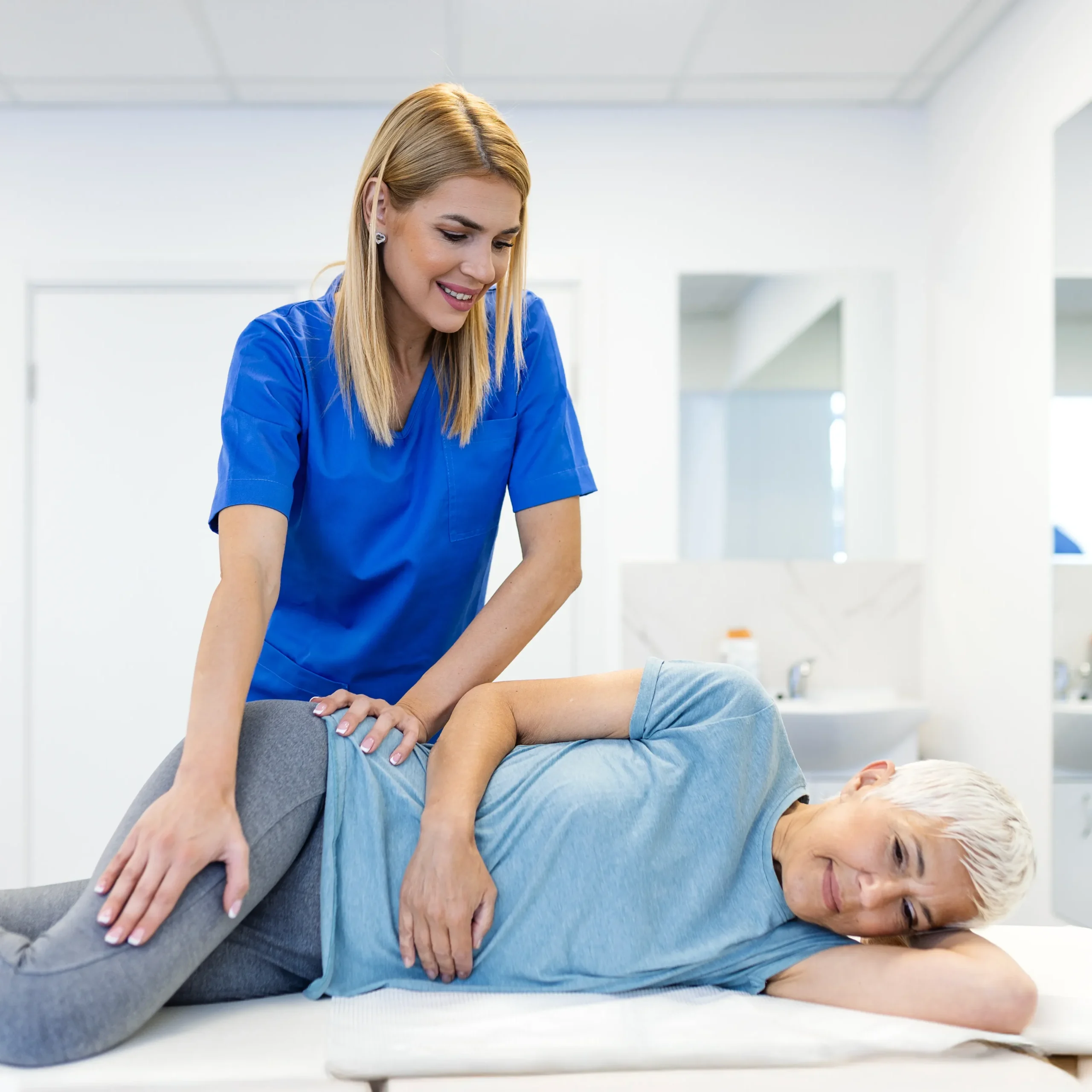
How Common Is Urinary Incontinence?
Many people associate urinary incontinence with aging, but it can affect adults of all ages. Research suggests that up to one in two women experience symptoms of urinary incontinence at some point in their lives, often related to pregnancy, childbirth, hormonal changes, or pelvic floor weakness.
Despite how common it is, many individuals delay seeking help. The good news is that physiotherapy has been shown to be one of the most effective non-surgical treatments for urinary incontinence.
Understanding the Different Types of Incontinence
Urinary incontinence can present in several different ways. The most common types include:
Stress incontinence
Leakage that occurs during activities that increase pressure on the bladder such as coughing, sneezing, laughing, lifting, or exercise.
Urge incontinence
Leakage that occurs during activities that increase pressure on the bladder such as coughing, sneezing, laughing, lifting, or exercise.
Mixed incontinence
A combination of both stress and urge incontinence symptoms.
Total incontinence
A rare but more severe form where the bladder is unable to store urine effectively.
In many cases, these symptoms are linked to weak or poorly coordinated pelvic floor muscles, which play a key role in bladder control and core stability.
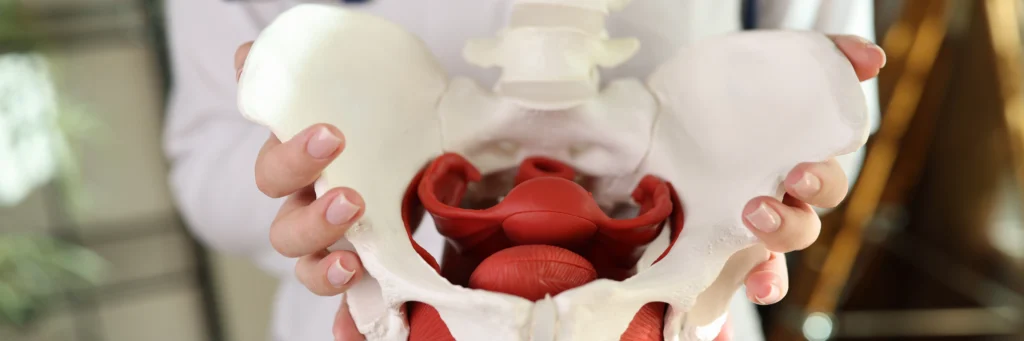
How Physiotherapy Helps Treat Incontinence
Pelvic floor physiotherapy focuses on strengthening and retraining the muscles that support the bladder, bowel, and pelvic organs.
At Expert Physio Plus, treatment may include several evidence-based approaches designed to improve bladder control and reduce symptoms.
Pelvic Floor Muscle Training
Pelvic floor muscle training is one of the most effective treatments for urinary incontinence. Just like other muscles in the body, the pelvic floor responds to strengthening exercises.
Your physiotherapist will guide you through exercises designed to activate and strengthen these muscles properly. Many people are familiar with Kegel exercises, which involve contracting and relaxing the muscles used to control urine flow. However, pelvic floor rehabilitation often includes additional movements that support core stability, such as bridges, squats, and controlled breathing techniques.
Bladder Training
Bladder training helps retrain the bladder to hold urine for longer periods of time. With guidance from your physiotherapist, you will gradually increase the time between washroom visits while using relaxation techniques to manage urgency.
This structured approach can help improve bladder control and reduce frequent or sudden urges.
Education and Lifestyle Strategies
In some cases, small lifestyle adjustments can make a meaningful difference in managing symptoms. Your physiotherapist may discuss factors that influence bladder health, such as:
- Hydration habits
- Reducing bladder irritants like caffeine or alcohol
- Healthy weight management
- Safe exercise and lifting techniques
Education plays an important role in recovery. Many patients see improvement simply by understanding how the bladder and pelvic floor work together.
What to Expect During Pelvic Floor Physiotherapy
Your first visit at Expert Physio Plus begins with a comprehensive assessment. Your physiotherapist will review your health history, discuss your symptoms, and perform a physical evaluation to determine the underlying causes of your condition.
From there, your therapist will develop a personalized treatment plan designed to address your specific needs. Treatment may include guided pelvic floor exercises, bladder retraining strategies, and other therapeutic techniques to support long-term improvement.
Many patients begin to notice improvements within a few weeks as their pelvic floor muscles become stronger and better coordinated.
You Are Not Alone
Urinary incontinence can feel embarrassing to talk about, but it is a common and treatable condition. Seeking help is the first step toward improving your comfort, confidence, and quality of life.
The physiotherapy team at Expert Physio Plus provides care in a supportive and respectful environment where your concerns are taken seriously and your treatment is tailored to your goals.

Our Patients Get Great Results
“I am really impressed with the atmosphere and professionalism of this facility. The friendly
manner and genuine concern for my condition was refreshing. My consultation with Pierre was
thorough and he diagnosed and provided therapy that relieved the pain in my hip that had
bothered me for years. The whole physio team really know their craft and provide friendly,
professional and patient therapy. They provided me with a tailored home exercise plan which I
still use on a daily basis to stay limber. I would highly recommend this facility and the whole
team for any physio and massage therapy requirements.” – G.G.
3 Common Myths About Urinary Incontinence Debunked
Urinary incontinence is more common than many people realize, yet it is often surrounded by misconceptions. These myths can prevent people from seeking help, even though effective treatment options are available. Here are three of the most common myths about urinary incontinence and the facts behind them.
Myth #1: It’s Just a Normal Part of Aging
While bladder changes can occur as we age, urinary incontinence is not something you simply have to live with. Leakage is often related to weakened or poorly coordinated pelvic floor muscles. Pelvic floor physiotherapy can help strengthen these muscles and improve bladder control.
Myth #2: Only Women Experience Urinary Incontinence
Urinary incontinence is more common in women, particularly after pregnancy or childbirth, but men can experience it as well. It may occur after prostate surgery or with certain medical conditions. Pelvic floor physiotherapy can help both men and women improve pelvic floor strength and bladder function.
Myth #3: Surgery Is the Only Solution
Many people believe surgery is the only way to treat urinary incontinence, but conservative treatment is often very effective. Pelvic floor physiotherapy is widely recommended as a first-line treatment and focuses on strengthening muscles, improving bladder control, and supporting long-term pelvic health.
If urinary incontinence is affecting your daily life, the team at Expert Physio Plus offers pelvic floor therapy and physiotherapy services to help you regain control and improve your quality of life. Early treatment can make a meaningful difference.
Exercise of the Month
Dead Bug
Lie down on your back with your arms by your sides, your knees bent to 90-degrees, and your feet on the floor. Raise one arm up straight and one knee up towards the ceiling at the same time. Your arm should stay straight and be pointing straight up at the top and your knee should be at 90-degrees and be pointing straight up at the top.
3 Sets, 10 Reps.
Book an Appointment with Expert Physio Plus
If urinary incontinence is affecting your daily life, pelvic floor physiotherapy may help you regain control and improve your overall pelvic health. Contact Expert Physio Plus today to learn more about pelvic floor therapy and how physiotherapy can help you move, function, and live with greater confidence.
Feeling Lucky? Refer a Friend!
Feeling lucky at Expert Physio Plus? Share the good fortune by referring a friend! Your recommendation helps others discover us, builds trust, and supports what we do every day. Send a friend our way and help them experience the care you know and love. Thanks for being part of our community—we’re so grateful for you!
Recipe of the Month: Overnight Oats
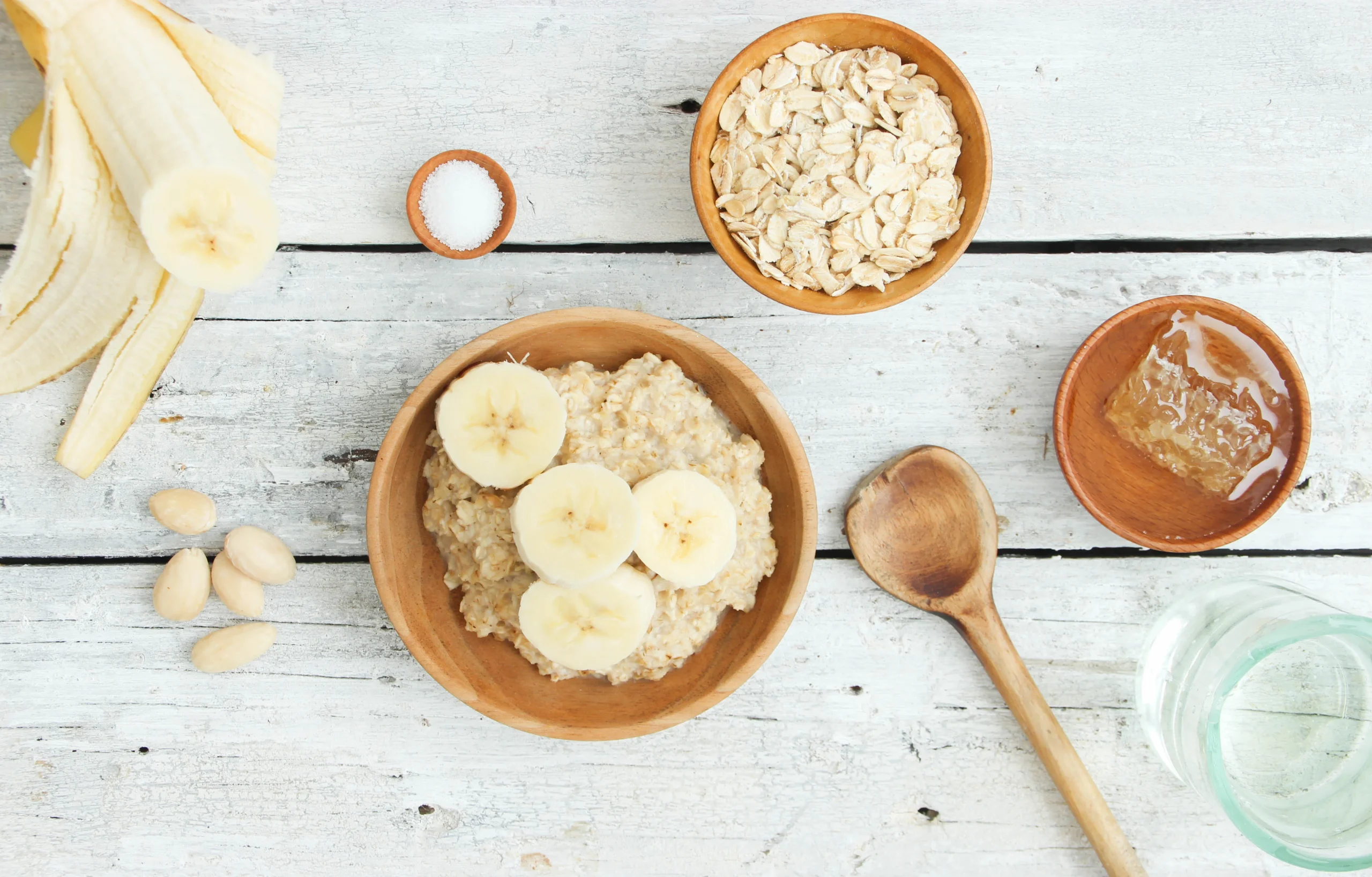
Ingredients:
- ⅓ cup old-fashioned oats
- ¼ teaspoon ground cinnamon
- 1 tablespoon chia seeds
- 1 tablespoon peanut butter
- ⅔ cup milk
- ½ cup sliced banana
- Drizzle of maple syrup or honey, if desired
Instructions:
- Mix everything together, cover and refrigerate overnight.
- Serve with your favorite toppings.
- Makes 1 serving.