


A Comprehensive Look at How Posture Affects the Shoulder
Shoulder pain is an all-too-common complaint, making routine activities like lifting, typing, and even sleeping difficult. It seems like every week we get a patient who comes to us with shoulder pain related to poor postural habits.
A lot of people know the old song about how the foot bone is connected to the knee bone (and the knee bone is connected to the thigh bone and so on). In the world of physiotherapy, we call this regional interdependence. This means something in one area of the body is affecting another area. As the song says: it’s all connected. Well, this is definitely true when it comes to the functioning of our shoulder joints. Poor postural habits and prolonged slumped postures put the shoulder in a vulnerable position, making it susceptible to pain or injury. The good news is our therapists at Expert Physio Plus have extensive training in identifying all the factors that are contributing to your shoulder pain and, most importantly, how to resolve them, one by one!
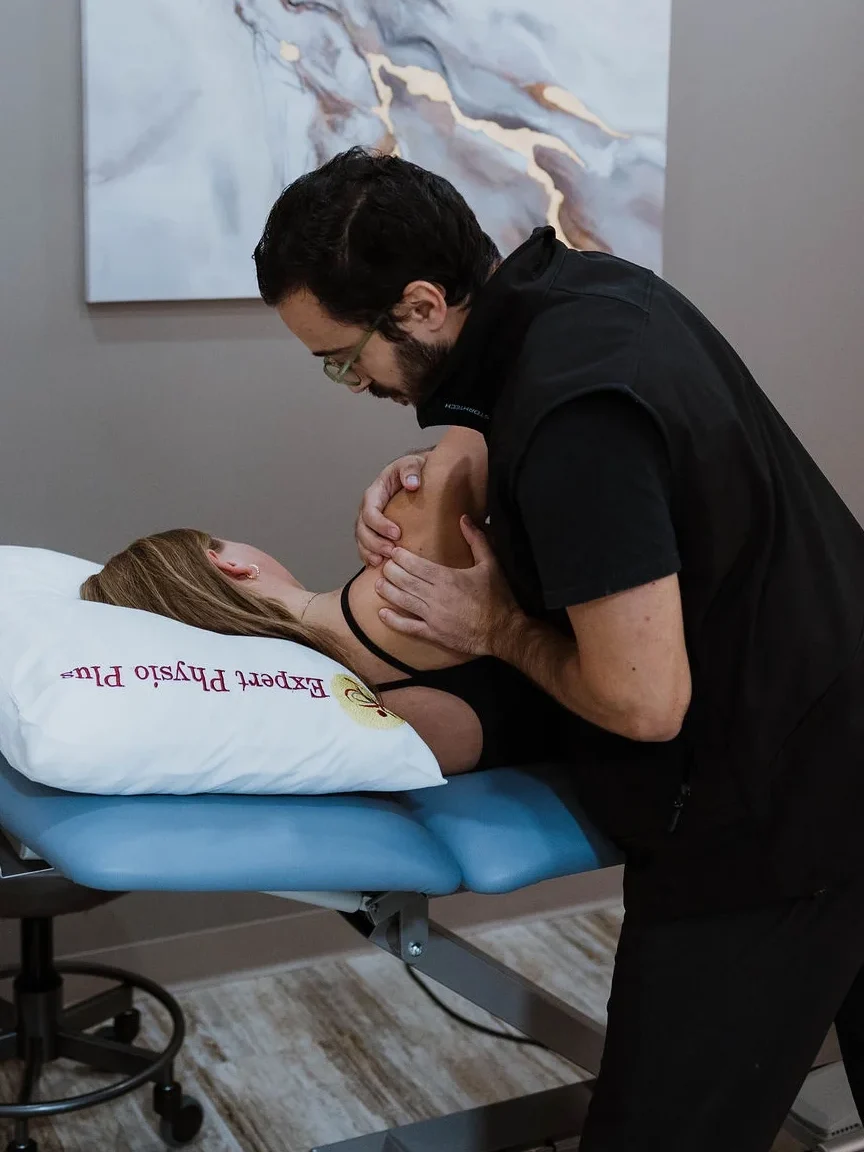
Our Patients Get Great Results
“The staff at Expert Physio were fantastic. Diagnosed my shoulder problem quickly and told me exactly how many days of physio I would need to restore mobility and strength. I followed their instructions and did my exercises and regained it all, right on schedule. No more pain, full strength and full mobility. I couldn’t believe it. Honestly, I was resigned to having permanent limitations going in but I am as good as new (as new as a 50+ can feel). My only regret is not going to see them sooner and putting up with the pain for so long, for nothing. I am so grateful and completely recommend them.” – Annick
How Posture Impacts the Shoulder
One significant factor contributing to shoulder pain is Upper Crossed Syndrome (UCS). This condition is characterized by postural changes that affect how the muscles of our upper back and shoulder girdle work, which in turn affects the normal movement patterns in the entire upper portion of the body.
The classic signs of Upper Crossed Syndrome include:
- Forward head posture: The head is positioned forward in relation to the shoulders.
- Rounded shoulders: The shoulders are rounded forward, causing the upper back to appear hunched.
- Increased thoracic kyphosis: The upper back has an increased curvature, leading to a rounded appearance.
- Protracted shoulder blades: The shoulder blades are positioned more forward and away from the spine.
- Weak deep neck flexors: The muscles at the front of the neck that help stabilize the head are weak.
- Tight pectoral muscles: The muscles in the chest area are tight and may contribute to the rounded shoulder posture.
- Weak scapular stabilizers: The muscles that stabilize the shoulder blades are weak, leading to altered movement patterns.
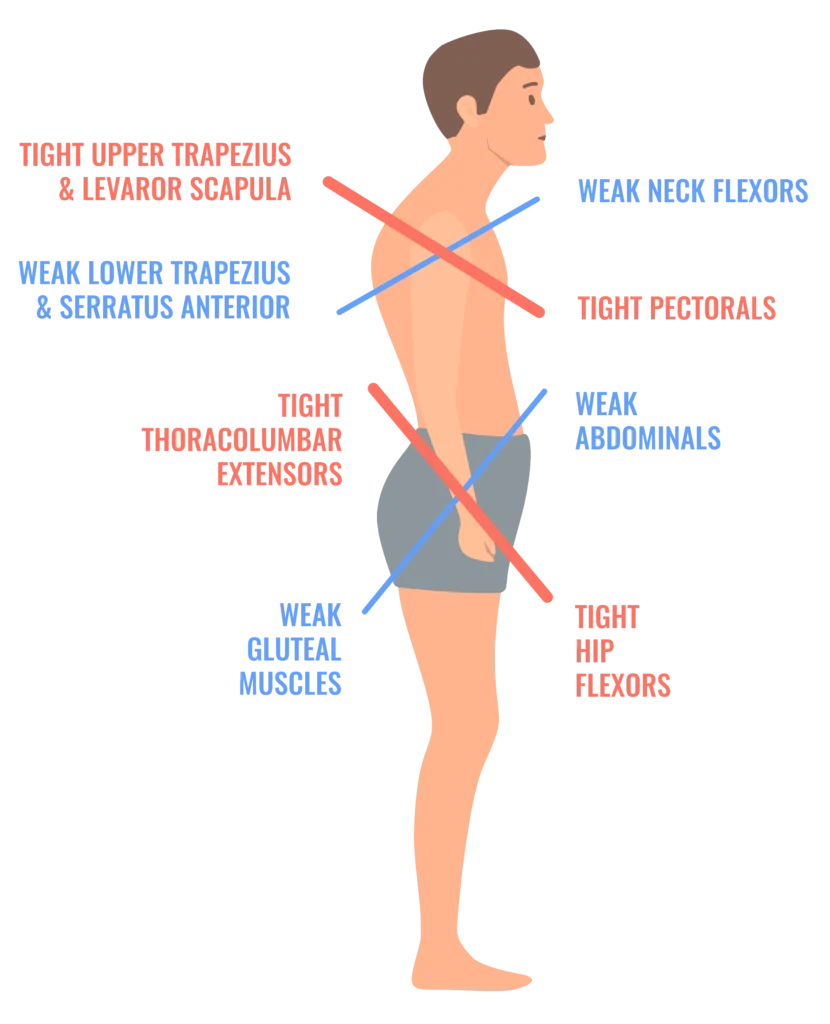
These issues often lead to shoulder pain, limited range of motion, and impaired muscle function. Although the signs are common in a lot of people, not everyone with these signs will have the same symptoms. This is why it is essential to consult one of our physiotherapists to identify your specific needs and design a tailored treatment plan that addresses your situation.
Staff Spotlight
Mina Gebraiel

We are thrilled to spotlight Mina Gebraiel, a distinguished physiotherapist with 24 years of dedicated service. His skill, passion, and commitment to helping others have made him an invaluable team member and a trusted professional in our community.
The Role of Physiotherapy in Resolving Your Pain
The first step to resolving your shoulder pain is a comprehensive evaluation. Our physiotherapists will conduct a thorough history and physical exam that includes an assessment of your posture as well as the function of your shoulder blade musculature to identify any obvious changes to muscle activation and movement patterns.
Based on the assessment, our physiotherapists will design tailored exercise regimens that address not only muscle length and strength but also neuromuscular factors. This could lead to more lasting relief and functional improvement.
Our team uses a functional approach that is rooted in neurology. We consider the interaction between your nervous systems, biomechanics of your spine and shoulder joints, as well as muscle function. This allows us to not only identify and address any imbalances in muscle length and strength but also from neuromuscular factors like muscle recruitment.
These exercises may include work on your spinal joint mobility and strengthening exercises to correct any postural dysfunctions contributing to your conditions. Our team spends a lot of time educating you about how you are holding and moving your body to ensure you have the tools to train your body in the proper movement patterns that help to correct imbalances and offer lasting relief.

Take the First Step Towards Lasting Relief Today
If you’re experiencing persistent shoulder pain, limited range of motion, or discomfort in your upper body, the time to act is now. These signs are not just distressing; they can have a long-term impact on your quality of life and overall well-being. Reach out to Expert Physio Plus today for a comprehensive assessment and personalized treatment plan designed to restore balance to your muscles, improve your posture, and, most importantly, alleviate your pain!
Service Spotlight: Shockwave Therapy
Have you been dealing with a bad case of plantar fasciitis and looking for relief? Do you have persistent pain in a tendon that seems to get worse whether you rest it or try to use it? At Expert Physio Plus, our physiotherapists utilize cutting-edge solutions, like shockwave therapy, that are proven to provide real results!
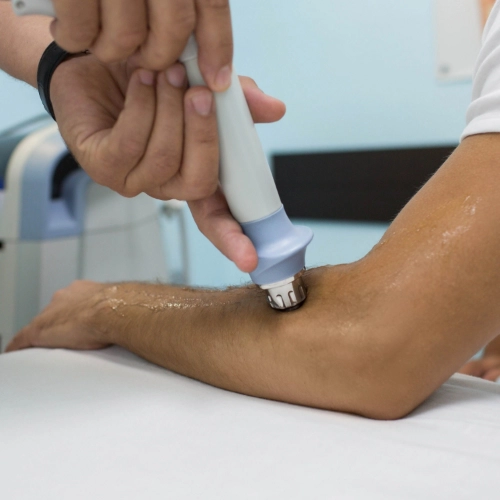
Shockwave therapy is a physiotherapy modality that sends acoustic shock waves into soft tissue to positively affect the healing process at a cellular level and simultaneously breaks up adhesions that can restrict mobility in tendons or other soft tissues in the body.
These shockwaves will cause movement of the particles in our tissues, resulting in increased blood flow to that area. This, in turn, helps alleviate pain (acute and chronic), improve tissue mobility, and improve the overall healing response.
Contact Expert Physio Plus today to request an appointment and to learn more about our shockwave therapy treatments and how they can help you recover sooner and experience lasting relief!
What Conditions Benefit From Shockwave Therapy?
Shockwave therapy primarily provides pain relief while facilitating blood flow and promoting tissue healing. Research studies have shown this treatment to help various soft tissue disorders (i.e., sprains, strains, and tendinopathy), both acute and chronic conditions.
Our therapists at Expert Physio Plus will conduct a thorough history and physical examination to identify the source of your pain and functional limitations so we can implement the most effective treatment strategies, including shockwave, for your specific injury, ailment, or area of pain.

Some of the more common soft tissue conditions that shockwave therapy can help treat are as follows:
- Neck and shoulder myofascial pain syndromes
- Chronic tendinopathies in the shoulder, elbow, and wrist
- Carpal Tunnel Syndrome
- Chronic lower back pain
- Patellar tendonitis
- Achilles tendinopathies (acute and chronic conditions)
- Plantar fasciitis
Shockwave therapy can even be applied to joint disorders like osteoarthritis or frozen shoulder (adhesive capsulitis). This non-invasive treatment is safe and may be the very thing that helps get you over the obstacle standing in your way of finding lasting relief.
Shockwave therapy can aid pain relief and increase blood flow to speed the healing rate and enhance the quality of the repair. At Expert Physio Plus, we are skilled at identifying the most appropriate treatment to successfully treat various conditions so you can get back to doing what matters most to you!
Do you drink enough water each day?
As we approach the warmer months, staying hydrated is more important than ever.
Here are 3 EASY WAYS to make hydration a regular part of your daily routine.
Proper hydration is always important, but in preparation for the upcoming hot summer months, we should all take a few extra precautions to ensure we are drinking enough water. Drinking enough water each day is crucial for a variety of reasons. Drinking water helps regulate body temperature, lubricates joints, prevents infections, delivers nutrients to cells, and keeps organs functioning properly. Hydration also improves sleep quality, cognition, and mood. Experts recommend that women should drink roughly 11 cups of water per day and men should aim for 16. If these numbers are higher than you’re used to, check out these 3 tips on ways to make hydration a habit.
1. Drink a glass of water first thing in the morning.
- Before eating breakfast or having your morning coffee, try to drink at least one glass of water. Just a few sips of water in the morning can help to re-energize you and leave you feeling refreshed.
- To make things easier on yourself, try placing a glass of water on your nightstand the night before, so you can start drinking immediately in the morning!
2. Add fruits or vegetables to your water.
- If you’re the type to complain that water tastes too plain, know that there are many natural additives that can change this! Adding a zest of lemon or a handful of sliced cucumbers to your water can make this drink more fun.

3. Set reminders on your phone to hydrate
- Are you exceptionally busy during the day? Between work, taking care of children, running errands, and getting outside, summer can be a busy season.
- If you always have your phone handy, why not put it to a productive use? Try setting reminders every couple of hours to hydrate, so you don’t forget amongst all the summer fun.

Refreshing Summer Smoothie!
To complement our hydration tips, we’re sharing a delicious recipe for a refreshing summer smoothie. Packed with hydrating ingredients, this smoothie is perfect for a post-therapy snack or a midday refreshment.
Ingredients
- 1 ½ cups frozen mango chunks
- 1 cup frozen strawberries
- 1 cup frozen sweet pineapple
- 2 cups orange juice
- 1 cup vanilla yogurt
Instructions
- Pour the orange juice into a blender. Add fruit and blend until fully puréed. Since it’s frozen, you may need to stop blending and stir up the fruit a bit.
- Add yogurt and blend again until completely combined.
- Pour into a tall glass and enjoy!

As we celebrate this national holiday, we wish you a joyous and safe Canada Day filled with fun, family, and festivity!