


Winter Chores & Tendon Pain:
How to Protect Your Joints This Season
Cold-weather chores are a fact of life during the winter, so it can be frustrating when they lead to pain or restrictions in your body. Unfortunately, necessary tasks like shovelling, scraping ice, or carrying heavy salt bags can place extra strain on tendons, the tissues that attach muscle to bone. This repeated stress can irritate your tendons, causing pain and limiting your movement.
There is good news, though: you can protect your joints and prevent tendon pain during the winter with the right strategies–and some help from the multidisciplinary team at Expert Physio Plus.

A Closer Look at How Winter Chores Contribute to Tendon Pain
Shovelling Snow
Lifting heavy snow and twisting to throw it away loads the tendons of your lower back, shoulders, and elbows. Cold temperatures can also reduce blood flow, which lowers tendon elasticity and increases the odds of injury, especially if you’re using improper form.
Scraping Ice From Windshields
Repetitive scraping motions can irritate the tendons along the wrist and forearm, especially when you have to do it every day before work! This can lead to persistent aches throughout your lower arm.
Carrying Firewood or Heavy Salt Bags
These tasks add compression and load to the tendons of the shoulders and biceps, causing pain throughout your upper body.
Walking On Icy Surfaces
A sudden, unexpected slip on ice can cause your tendons to work harder than usual to stabilize the body, potentially damaging the tissue and leading to pain in the affected area – most frequently the hips, knees, and ankles.
How to Reduce Tendon Pain This Winter
Your tendons respond best to gradual, controlled loading, and the sudden burst of activity from winter chores can put too much pressure on them. The cold weather itself only complicates things, as the tissue is stiffer and less pliable.
Keeping these things in mind is essential for preventing wintertime tendon pain. Here are some simple strategies that can help keep your tendons happy:
Warm Up Before Heading Outside
A quick 3–5 minute warm-up helps boost blood flow and reduce stiffness. March in place, swing your arms gently, or do light squats.
Use Proper Technique for Winter Chores
Whenever possible, push snow aside rather than lifting it. If you need to lift snow, keep the load close to your body and take steps to physically turn your body rather than twisting at the torso.
Break Up Tasks Instead of Doing Them All at Once
Sudden increases in activity or a major cause of tendon pain, so pace yourself to reduce strain on the tissues. We recommend working for 10-15 minutes, then taking a couple of minutes to rest.
Wear Supportive Footwear
Good traction lowers the risk of slips that cause a sudden overload of the tendons.
Avoid Working in Extreme Cold
Tendon stiffness increases at lower temperatures, so try to wait until the temperature rises a bit. If you absolutely have to perform a task in chilly weather, take frequent breaks indoors to warm up.
Strengthen Key Muscle Groups
One of the best ways to protect your tendons all year long is by strengthening the surrounding muscles. Even simple exercises, such as slow heel raises, wall sits, or light resistance band work, help tendons better handle winter demands.
Find Some Extra Help with Expert Physio Plus
Our multidisciplinary team offers a variety of services that support both tendon pain relief and prevention. Here’s what that might look like:
- Physiotherapy guides you through targeted exercises that strengthen tendons and restore safe movement.
- Massage therapy helps reduce tension and stiffness in irritated areas.
- Osteopathic care enhances joint mobility and helps distribute strain evenly across the body.
- Kinesiology and personal training provide structured exercise plans that build strength and resilience for winter tasks.
- For people with osteoarthritis, the GLA:D program can help you manage symptoms, allowing you to move with greater confidence.

Our Patients Get Great Results
“Sepi has been treating my family for years, and every visit is amazing. Whenever I see her, I feel completely taken care of. I honestly don’t even feel the need for a massage or to see a doctor afterward! She’s knowledgeable, caring, and truly knows what she’s doing. Highly recommend her to anyone looking for an osteopath who really delivers results.” – T.M.
Exercise of the Month
Isometric Ankle Exercise
Slowly push against an immovable object in 4 directions of ankle movement, such as inward, outward, up, and down. Hold for 5 seconds.
3 Sets, 10 Reps. (Materials needed: immovable object)
Helping Avoid Tendon Injuries This Winter
Winter chores are a part of life, but they can place real stress on your tendons. With awareness, better habits, and the right support, you can stay active and limit pain throughout the season. If you’d like help preventing or easing tendon pain, schedule an appointment with the Expert Physio Plus team. We’ll find the right program to help protect your joints from unnecessary strain.
What exactly is acupuncture, and is it right for you?
Acupuncture stimulates natural pain-relieving chemicals in the body, including a combination of endorphins and neurotransmitters. These chemicals’ release triggers the brain’s pain receptors to experience less pain. Then, by stimulating blood flow to the area experiencing muscle tension, acupuncture also helps to heal that area of the body as increased circulation in an injured area naturally speeds recovery.
During your first session, one of our acupuncturists at Expert Physio Plus will discuss your condition and how treatment will benefit you. Next, your provider will examine your body for the areas that will react to acupuncture.
The needles are sterile, disposable, and extremely thin. Needles will be inserted at various depths, from a centimeter to a couple of inches. Your acupuncturist will leave needles in for either a few minutes or as long as 20 minutes.
New Year, New Service!
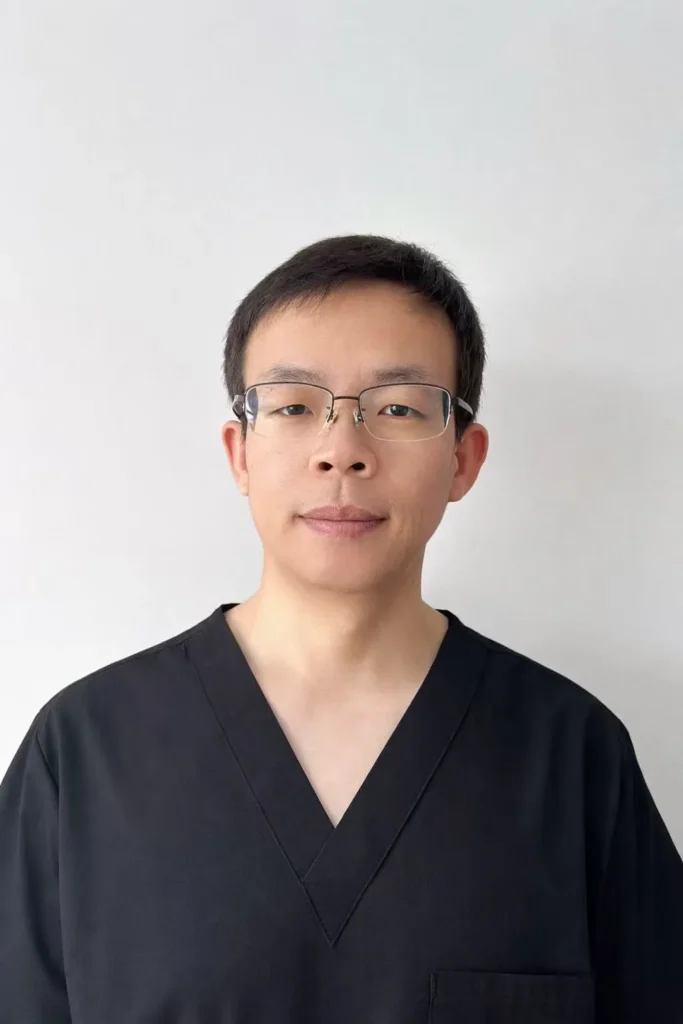
We’re excited to announce that we are now offering Traditional Chinese Medicine acupuncture at our clinic. This service is provided by our Registered Acupuncturist, Zhenglei Wang, who brings expertise in holistic, patient-centered care.
Acupuncture can support pain management, stress relief, injury recovery, and overall wellness. We’re proud to expand our services to better support your health in the new year.
Appointments are now available at all locations—contact us to book!
Zhenglei Wang
Zhenglei Wang is a Registered Acupuncturist (R. Ac.) with the College of Traditional Chinese Medicine Practitioners and Acupuncturists of Ontario. He graduated from the Acupuncture program at Georgian College and brings a unique combination of clinical expertise and deep cultural understanding to his practice.
What sets Zhenglei apart is his authentic connection to the roots of acupuncture. Years of study of Chinese culture and philosophy has equipped him with a depth of understanding of the fundamental principles and philosophical foundations of acupuncture that goes beyond technique alone. His unique cultural and educational background and deep-rooted knowledge enable him to grasp the subtle nuances of diagnosis and treatment that are often lost in translation, allowing him to practice acupuncture as it was intended: a holistic healing art deeply integrated with ancient wisdom.
With extensive clinical experience, Zhenglei specializes in comprehensive treatment across multiple areas, including pain management, mental-emotional wellness, and internal medicine conditions. His areas of focus include:
- Pain Management: Shoulder, elbow, lower back, neck, knee, chest, and joint pain, as well as muscle tension-related conditions
- Mental-Emotional Health: Depression, and stress-related disorders
- Internal Medicine: Gastrointestinal disorders and other systemic conditions
- Zhenglei integrates a comprehensive range of time-honored therapeutic techniques. Modalities are selected and/or combined based on each patient’s unique condition:
- Traditional Chinese Medicine Acupuncture
- Electroacupuncture
- Auricular Acupuncture
- Cupping Therapy
- Gua Sha
- Moxibustion
Through personalized treatment plans combining these varied modalities, Zhenglei is dedicated to helping patients achieve lasting pain relief, restore physical and emotional balance, and return to an active, fulfilling life.
Recipe of the Month: Cinnamon Rolls

Ingredients:
DOUGH
- ¾ cup milk
- 2 ¼ teaspoons active dry yeast
- ¼ cup granulated sugar
- 4 tablespoons salted butter, melted and cooled
- 1 large egg plus 1 large egg yolk, at room temperature
- 3 cups bread flour, plus more as needed
- ¾ teaspoon kosher salt
- Extra-virgin olive oil, for greasing the bowl
FILLING
- 4 tablespoons salted butter, softened
- ⅔ cup packed dark brown sugar
- 1 ½ tablespoons ground cinnamon
CREAM CHEESE FROSTING
- 4 oz cream cheese, softened
- ¾ cup powdered sugar
- 3 tablespoons salted butter, softened
- ½ teaspoon vanilla extract
Instructions:
- Warm milk in a microwave-safe bowl for 45–60 seconds, until 115°F. Pour into a stand mixer bowl fitted with the paddle attachment and sprinkle yeast on top. Add sugar and let sit until foamy, about 5 minutes. Add melted butter, egg, and egg yolk; mix on medium speed until combined, about 30 seconds. Stir in flour and salt with a wooden spoon until a dough begins to form.
- Attach the dough hook and knead on medium speed until soft and slightly sticky, 8–10 minutes. Add up to 3 tablespoons more flour if needed. (Alternatively, knead by hand on a floured surface for 8–10 minutes.) Warm a clean dish towel in the dryer during this step. Lightly grease a large bowl with olive oil. Transfer dough to the bowl, cover with plastic wrap and the warm towel, and let rise until doubled, 1–1½ hours. Dough is ready when an indentation from a finger does not spring back immediately.
- Dust a surface with flour and roll dough into a 10×14-inch rectangle. Spread softened butter evenly, leaving a ¼-inch margin on one short edge. Mix brown sugar and cinnamon; sprinkle over butter and gently press into it. Roll tightly from the opposite short side, pinch to seal, and place seam-side down. Trim ½ inch off each end. Compact the roll slightly by pressing inward from both ends. Cut into nine 1-inch slices using dental floss or a serrated knife.
- Line a 9-inch round or square pan with parchment. Arrange rolls in the pan, cover with plastic wrap and towel, and let rise until doubled and touching, 45–60 minutes. Preheat oven to 350°F. Bake rolls for 20–25 minutes, until golden on the edges but soft in the center. Cool for 10 minutes.
- In a mixer with the whisk attachment, beat cream cheese, powdered sugar, butter, and vanilla on low for 30 seconds, then on medium-high until smooth and fluffy, 1–2 minutes. Spread over warm rolls. Cover pan tightly or place rolls in airtight containers. Refrigerate up to 5 days. Reheat individual rolls in the microwave in 15-second intervals until warm.
Why Your Elbows Hurt After Shoveling
– And How Shockwave Helps You Recover Faster

Shovelling snow might look simple, but there’s a lot that can go wrong in terms of your form. While people often associate it with lower back pain, many of our patients have experienced sharp or aching pain around their elbows, usually within a few hours of clearing snow.
This pain is caused by damage to the tendons in the forearm, and it can significantly impact your quality of life. Let’s take a closer look!
Shovelling-Related Elbow Pain: What You Need to Know
Your forearm tendons anchor the muscles in your forearms that grip the shovel and lift heavy loads. Several factors can irritate or strain these tendons, including:
- Tight gripping
- Heavy snow
- Sudden bursts of force, like breaking packed snow
All of these factors are worsened by cold temperatures, which can restrict tissue and increase your susceptibility to injury.
Got Elbow Pain from Shovelling? Shockwave Therapy Can Help
Persistent elbow pain can be frustrating, but the team at Expert Physio Plus offers a unique technique to help you get back to feeling better: shockwave therapy.
This technique sends controlled acoustic waves deep into your body’s tissue, where they stimulate your body’s natural healing processes. Benefits include:
- Improved circulation to areas with limited blood flow
- Reduced pain sensitivity in the irritated tendon
- Stimulation of tissue repair, helping the tendon strengthen
- Breaking down tight or thickened tissue, improving mobility
We typically incorporate shockwave therapy into a comprehensive treatment plan that includes targeted exercise, load management, and manual therapy. Together, these approaches support longer-term resilience of the elbow.
Ready for Relief?
If you’re dealing with a persistent elbow ache after an afternoon spent clearing your driveway, contact Expert Physio Plus for a personalized care plan.